
One of the first things injured people tell us, often before they say hello, is some version of “but the accident might have been partly my fault.” They assume that ends the conversation. In Missouri, it does not. Missouri follows one of the most claimant-friendly fault rules in the country, and understanding it is the difference between walking away with nothing and recovering most of what your case is worth.
Missouri Is a Pure Comparative Fault State
Since the Missouri Supreme Court adopted comparative fault in Gustafson v. Benda in 1983, later codified in RSMo Section 537.765, Missouri has followed the pure comparative fault rule. It works like this: a jury assigns each party a percentage of fault, and your compensation is reduced by your percentage. That is the entire rule. There is no cutoff. You can be 30 percent at fault, 50 percent at fault, even 90 percent at fault, and still recover the remaining share of your damages.
What That Looks Like in Real Numbers
Suppose your damages, medical bills, lost wages, and pain and suffering, total $100,000. If the jury finds you 20 percent at fault, you recover $80,000. If you were 50 percent at fault, you recover $50,000. Compare that to Illinois, where we also practice: Illinois uses a modified rule that bars recovery entirely once you are more than 50 percent at fault. Missouri has no such bar, which is why the fault percentage argument is fought so hard in every Missouri case.
How Insurance Companies Weaponize Comparative Fault
Here is what we learned defending insurers: comparative fault is the adjuster’s favorite discount lever. Every percentage point of fault they can shift onto you is money subtracted from your check, so the negotiation is rarely about whether their driver was negligent. It is about inflating your share. You were going a little fast. You could have braked sooner. You glanced at your phone an hour earlier. Expect these arguments even in a rear-end collision where their insured was plainly negligent, because a claim paid at 70 percent is a win for them.
Common Scenarios Where Fault Gets Shared
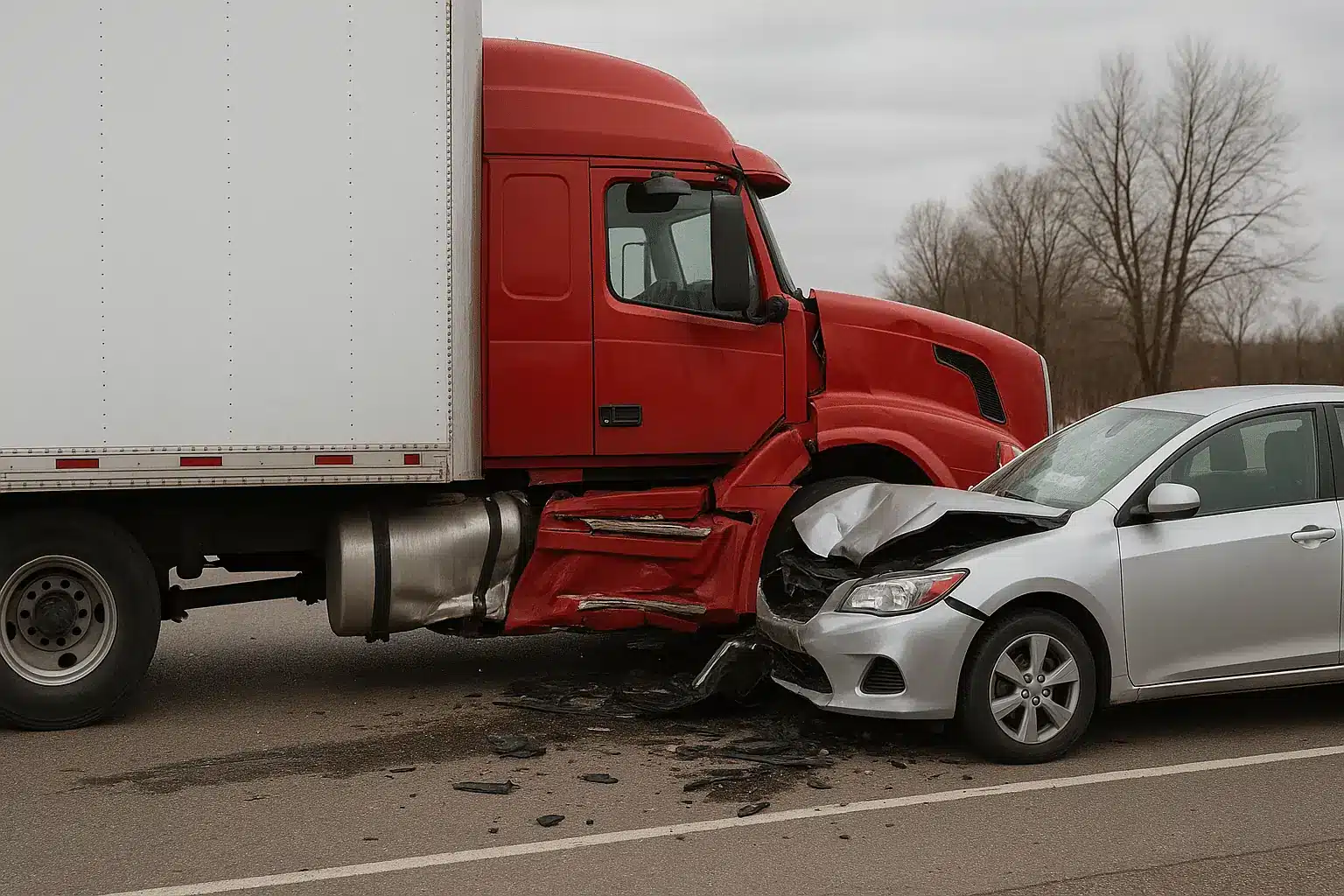
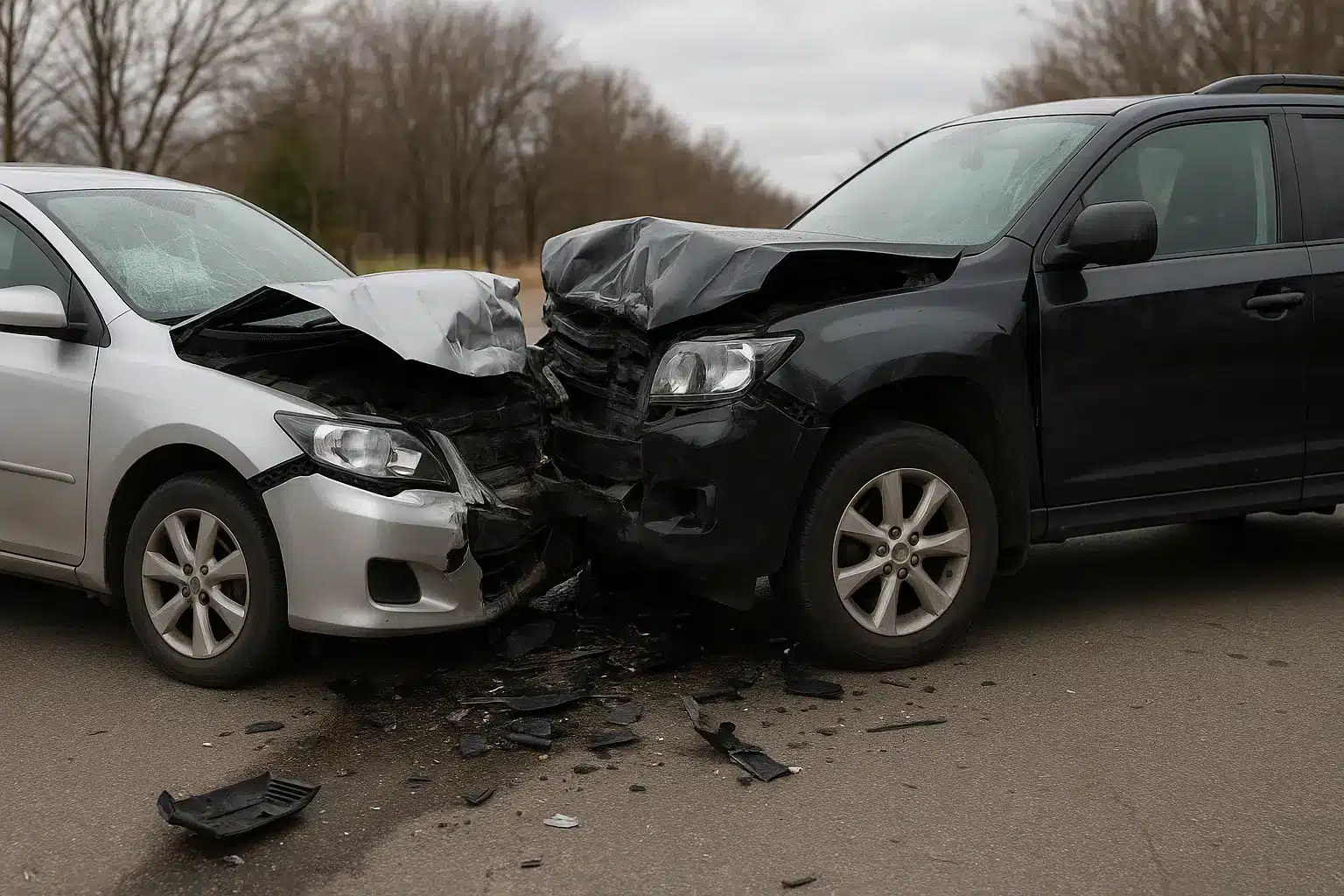
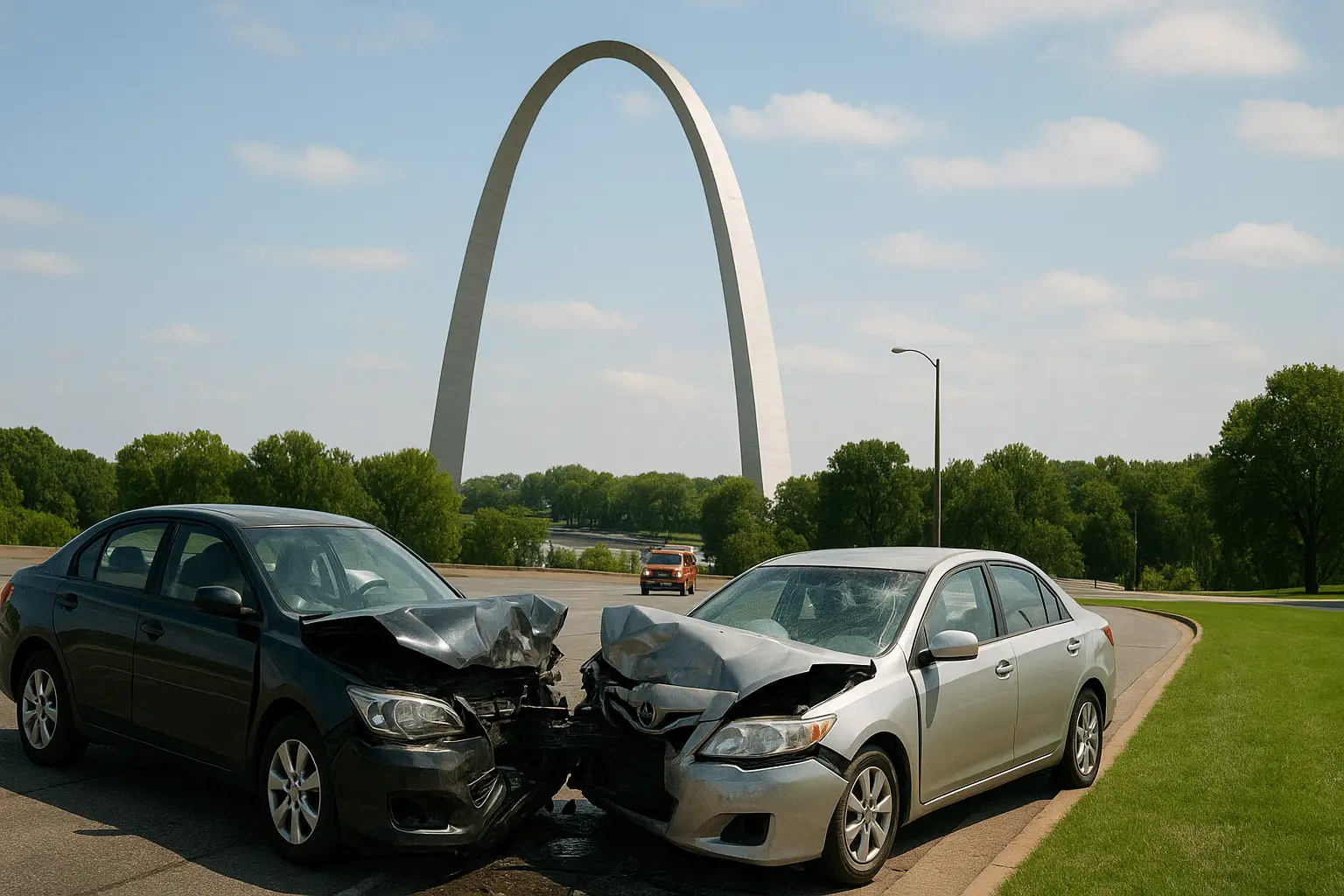
Left-turn collisions, lane-change accidents, and multi-vehicle pileups almost always involve fault arguments on both sides. Even pedestrians and motorcyclists hear that they “came out of nowhere.” One Missouri quirk worth knowing: under RSMo Section 307.178, not wearing a seat belt can reduce your damages, but the statute caps that reduction at one percent. Insurers sometimes imply the seat belt issue is devastating. In Missouri, by statute, it is nearly nothing.
Why the Percentage Is Negotiable, Not Fixed
Fault percentages are not handed down from on high. They are advocated, supported by evidence, and negotiated. Skid marks, vehicle damage patterns, witness statements, traffic camera footage, and crash reconstruction all move the number. On the defense side, we watched unrepresented claimants accept fault splits that no jury would have assigned, simply because the adjuster said the number with confidence. A lawyer’s job in a comparative fault state is to fight for the percentage, because the percentage is the case.
Frequently Asked Questions
The police report says the accident was my fault. Is my case over?
No. A police report is an officer’s opinion, often written in minutes at a chaotic scene, and it is generally not admissible as a fault determination at trial. Reports get contradicted by physical evidence and witnesses regularly.
Can I recover if I was more than half at fault?
In Missouri, yes. Pure comparative fault has no cutoff. Whether the case is economically worth pursuing depends on your damages and the percentages involved, which is exactly what a free consultation sorts out.
Does comparative fault apply to my Illinois accident too?
Illinois follows modified comparative fault: you recover nothing if you are found more than 50 percent at fault. Since we handle car accident cases on both sides of the river, we can tell you quickly which rule applies and what it means for your claim.
If someone has told you that being partly at fault kills your case, get a second opinion from lawyers who spent years making those same fault arguments for insurers. The consultation is free, and there is no fee unless we win.